

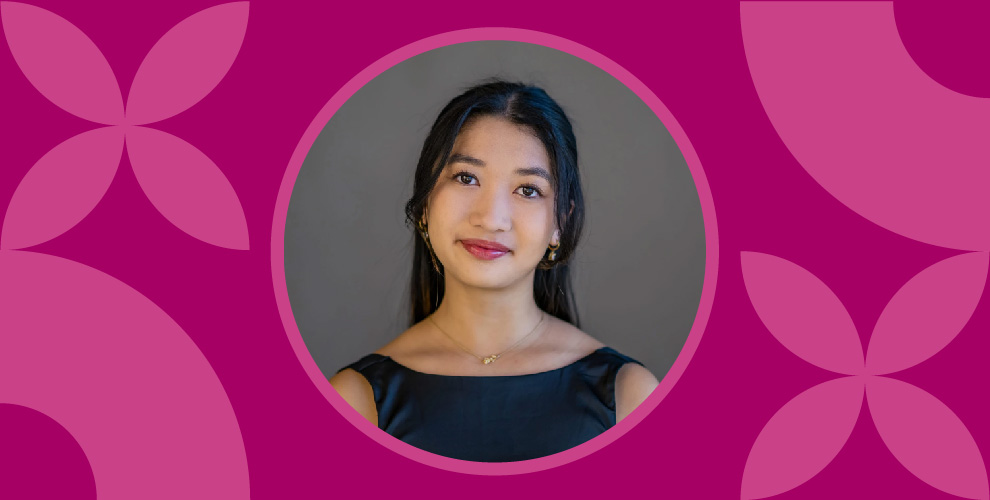
At BASIS Ahwatukee, senior Yen P. is using her final trimester to ask a bold question: Who decides which women make it into the museum, and how much of their story does the public get to see?
As part of the BASIS Charter Schools Senior Project program, twelfth graders step off campus to design and complete an independent research project with guidance from faculty advisors and outside mentors. This capstone lets students immerse themselves in a topic they care deeply about while practicing college‑level inquiry, time management, and communication – all skills Yen will carry with her in the fall as a pre‑med student at the University of Chicago.
Uncovering the Histories of Women Hidden in Espionage
A major focus of her work is women whose lives were built on secrecy: female spies and operatives whose contributions sit in the margins of official histories. Yen’s research has taken her from early examples of women gathering information through marriages and social networks to figures such as Virginia Hall and Elizabeth Van Lew, whose espionage for the Allies demanded extraordinary courage and anonymity. Along the way, she has confronted rumors, propaganda, and sensationalized retellings that blur the line between fact and myth.
Rather than accepting those stories at face value, Yen asks why certain details have been exaggerated, distorted, or erased. She wants audiences to look beyond the archetype of the “mysterious woman spy” and see the full human being behind the legend, their motivations, constraints, and the risks they shouldered.
Learning From Experts in the Field
Yen is supported by an advisory team that reflects the real world of museum curation and history education. BASIS Ahwatukee faculty advisor Paige Receveur supports her research and writing, while mentors Amanda Hiatt (learning and co‑creation program specialist at the ASU Art Museum), Jessica Meadows (education programs manager at the Fort Monroe Authority), and Smithsonian associate Paul Glenshaw offer insight into how cultural institutions balance historical accuracy with visitor experience.
This expert guidance is central to Senior Projects, where students collaborate with professionals and see firsthand how academic research can translate into meaningful, real‑world impact.
Stepping Into the Curator’s Role
Yen expects her final project to be a mock museum exhibit on female spies throughout history. In constructing it, she deliberately steps into the role of curator, making the same difficult decisions she has been analyzing: What goes on the wall? What stays in the archive? Which stories must remain brief so others can be told in depth? This hands‑on experience forces her to reckon with the reality that even the most well‑intentioned exhibit can only spotlight a small fraction of the past.
Spending months engaged with complex, sometimes painful histories could be discouraging, but instead she finds herself motivated by the idea that “the good you can do” often begins with how you choose to tell a story. She is grateful for advisors who challenge her thinking while supporting her vision, and for a project that has allowed her to grow as a researcher.
Yen’s Senior Project reminds us that absence from the display case does not mean absence from history. Her work encourages all of us, from students to museum professionals, to ask: Whose stories have we overlooked? How might our understanding of the past change if we brought them into the light?


